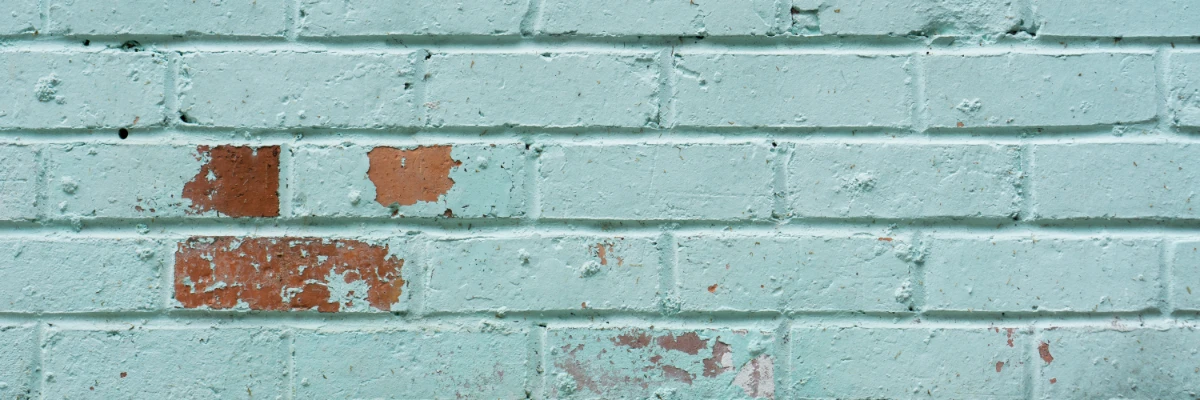
Need help removing paint from brickwork? Follow our simple guide for outstanding results and a clean slate.
When it comes to DIY decorating, most people are concerned with learning how to paint a wall, but what if you're looking to remove paint?
Removing paint can be challenging, especially if you're trying to remove paint from brick.
Whether you’ve accidentally spilled paint on brickwork, or need to restore fully painted brickwork, we’ve compiled this guide on how to remove paint from brick safely.
Why is removing paint from brick so hard, though?
Bricks have a porous surface which tends to absorb liquids, so it can make getting paint off brickwork hard, especially as it gets into all of the textured surfaces on the brick.
Whether you’re restoring brickwork around a fireplace or preparing to render a brick wall, these techniques here can be used for multiple purposes.
You might want to rush in with some powerful methods to get rid of the paint, but you don’t want to damage the face of bricks that have huge aesthetic appeal when uncovered.
Not ready to hire a painter and decorator? Let’s take a look at the right and wrong ways you can attempt to remove paint from brickwork.
There are near-endless house painting myths and misconceptions, so how do you actually remove paint from brickwork properly?
If there’s a thin or thick layer of paint on brickwork that you want to remove, you might consider a heavy-handed approach and try to blast it off.
This is never the right approach, though.
Sandblasting can be used to restore a surface, but in the case of removing paint from brick, it can be too powerful.
Yes, it might remove the paint, but you’ll also damage the surface of the underlying brick and maybe even loosen the mortar.
Using a pressure washer might not have any effect on removing paint, as most exterior paints are designed to be waterproof.
Using it on a low pressure won’t remove the paint, but applying a higher pressure risks damaging the brick and blasting away loose mortar.
Even for a very small area, using an electric sander or sandpaper is not a good idea.
First, it creates a lot of mess. Second, if you rub too hard you can push the paint into the brick’s pores and even scuff the brick’s surface.
Using vinegar and a scrubbing brush is not a great idea either, as even though it is an acid, it doesn't have the power to dissolve most kinds of paint.
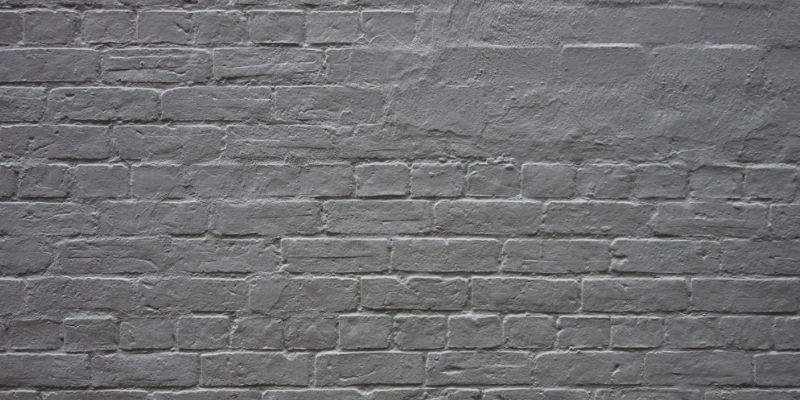
Now you know what doesn’t work, let’s look at what is effective.
As with learning how to remove paint from wood, the best way to strip paint off brickwork is by using a paint stripper.
Rather than trying to remove it by force or friction, as with the methods above, the ideal solution is to dissolve the bonds between paint and brick.
Here’s how to do it safely.
Step 1
You should begin by preparing the area around the painted brickwork to make sure that the paint stripper doesn’t splash onto any painted surfaces surrounding it.
You can use plastic sheeting held in place by painter’s tape to mark out the areas you don’t want to have any contact with the paint stripper.
Step 2
Clean the surface of the area you want to apply the paint stripper to.
It may be covered in dirt, grease, or grime that can affect how well the paint stripper will work.
Just mix some washing up liquid in warm water and rub the painted surface with a damp sponge.
Wash the soapy residue off and allow it to dry before moving onto the next step.
Step 3
If you’re trying to clean paint from bricks that are on the floor, or a flat surface, then you should use a liquid paint stripper.
However, if it’s a wall you need to remove the paint from, liquid will just run down it and not adhere.
For these painted walls, you can buy a paint stripper in gel form which won’t run off the smooth painted surface so easily.
Remember to wear a face mask and gloves, and ventilate the area, as paint strippers can give off strong fumes.
The paint stripper needs to stay on the surface for around 20 to 30 minutes, so apply it in a thick layer with a paintbrush so it doesn’t dry out.
If you have a thick layer of paint, or brickwork that has been painted over and over again, you might need to leave the paint stripper on for a few hours.
Work in small sections at a time.
Step 4
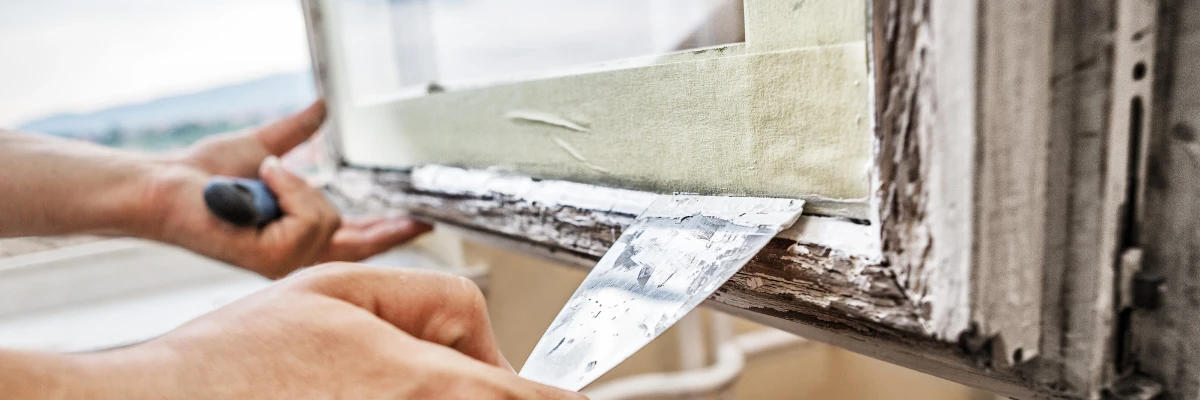
After 30 minutes, take a putty knife and gently scrape at the top layer of paint.
It should have become soft and pliable, peeling off as you move the knife across the surface.
Don’t dig the putty knife in too hard as you might damage the underlying brick with the metal blade.
Step 5
Once you’ve removed as much of the paint as you can from the surface, give it a wipe down with a cloth.
The wall will still have paint on it in the porous surfaces, so you need to reapply the paint stripper and give it a second coating.
Again, leave this for the recommended time before using a stiff brush to scrub it clean.
Step 6
Once all the paint has been removed, clean the surface of the brick with warm water or a mixture of warm water and vinegar.
Clean up the paint residue and remove the painter’s tape and plastic sheets.
The wall should dry on its own, but you can pad it lightly with a towel to remove any excess moisture.
At this point, your bricks should be free and clear of paint.
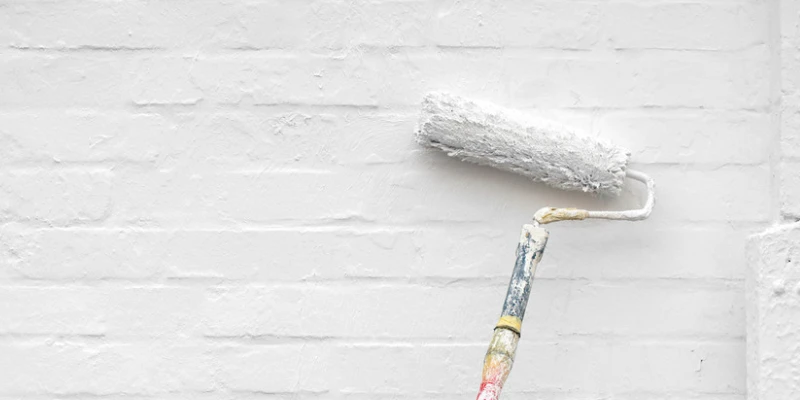
Having trouble removing paint from brickwork? Read answers to these popular questions for help.
What kind of paint stripper should I use on brick?
Look for a non-caustic, masonry-safe paint stripper designed for brick or stone.
Gel-based formulas are best for vertical walls, as they cling to surfaces without dripping, while liquid strippers are fine for horizontal brick surfaces like floors.
If you're unsure what kind of paint you're removing (e.g. latex, oil, epoxy), choose a multi-surface or heavy-duty product, or consult a pro before starting.
Can I repaint my brick after removing the old paint?
Absolutely – but the surface needs to be fully dry and free of any paint residue first.
Use a stiff brush to remove any leftover paint, wash with a mild detergent, and allow 24 to 48 hours of drying time.
Priming is highly recommended before repainting exterior or interior brick, especially if the surface was previously sealed or stripped.
Just like you need to know how to prep walls for painting, you need to know how to ready brick surfaces for paint.
What if my brick has already been damaged by a previous paint removal?
If the surface is already chipped, worn, or missing mortar, avoid DIY removal – further stripping could cause more damage.
In these cases, it’s best to consult a masonry restoration specialist who can advise on whether patch repairs, repointing, or gentle chemical cleaning is best.
Trying to fix crumbling brick on your own could make the problem worse.
Paint stripper is the best way to remove paint off brickwork, but not all paint is alike.
You might encounter lead-based paint in older properties, or epoxy and urethane paints which are designed to be resistant to chemicals.
If you use the wrong type of solvent stripper, you may end up damaging the bricks and change their aesthetic value in your home.
In these situations – or if you’re not sure what you’re dealing with – it’s best to enlist the help of a professional.
They will assess the kind of paint on the brickwork, and the type of brick itself to suggest the best solution.
On Yell, you can find the top painters and decorators near you to help with your project. You’ll also find handyman services who can get paint off brickwork safely.
Browse nearby experts, discover the services they offer, and read recent customer reviews to make an informed decision.
No time to search? Simply post a free enquiry, outline your project, and tradespeople will be in touch with you to provide a quote or home visit.
For more DIY help, cost guides, and money-saving tips, check out the Yell blog now.