Worried about the cost of an upcoming MOT? Read on to learn how much MOT tests cost, and how costs are capped.
Standard MOT test costs: up to £54.85 for most standard vehicles
Motorcycle MOT costs: between £29.65 and £37.80
Large goods vehicles (3,000 kg-3,500 kg): up to £58.60
An MOT test is an essential annual check to ensure your vehicle meets road safety and environmental standards.
In the UK, MOT costs vary by vehicle class and can range from £29.65 for smaller motorcycles to £58.60 for larger goods vehicles.
In this article, you’ll learn about MOT test costs for various vehicle types, reasons for price variations, money-saving tips, and answers to common MOT-related questions.
The maximum fees for these tests are set by the UK Government, helping ensure affordability for vehicle owners.
Data for this guide was collected in December 2024 from online sources.
Here, you’ll find a breakdown of MOT costs for different types of vehicles.
Vehicle class | Age for first MOT (years) | Maximum MOT cost (£) |
|---|---|---|
Motorcycle | 3 | £29.65 |
Motorcycle with sidecar | 3 | £37.80 |
3-wheeled vehicles (up to 450 kg) | 3 | £37.80 |
3-wheeled vehicles (over 450 kg) | 3 | £54.85 |
Cars (up to 8 passengers) | 3 | £54.85 |
Motor caravans | 3 | £54.85 |
Dual-purpose vehicles | 3 | £54.85 |
Taxis | 1 | £54.85 |
Goods vehicles (up to 3,000 kg) | 3 | £54.85 |
Goods vehicles (3,000 kg to 3,500 kg) | 3 | £58.60 |
Costs accurate as of December 2024
Motorcycles
If you own a motorcycle, keeping it roadworthy is essential – and that starts with an MOT. Motorcycles need their first motorcycle MOT at three years old, with a maximum fee of £29.65.
It’s the only way to ensure your bike stays safe and legal.
Motorcycles with a sidecar
Attaching a sidecar to your motorcycle adds charm and practicality, but it also means a slightly pricier MOT test.
The maximum fee for this service is £37.80.
3-wheeled vehicles (up to 450 kg)
Lightweight 3-wheeled vehicles require an MOT from three years old to stay roadworthy.
The maximum fee is £37.80.
3-wheeled vehicles (over 450 kg)
For heavier 3-wheeled vehicles, your first MOT also comes at three years.
The maximum fee for the test is £54.85, offering great value for peace of mind.
Cars (up to 8 passengers)
Cars used to carry up to eight passengers need an MOT after three years to make sure they’re safe to drive.
The maximum fee for the test is £54.85.
Motor caravans
For motorhome enthusiasts, the first MOT is due at three years.
The maximum fee is £54.85.
Dual-purpose vehicles
Dual-purpose vehicles, whether for work or leisure, require an MOT at three years old.
The maximum fee is £54.85.
Taxis
Taxis have a stricter timeline, requiring an MOT after just one year to ensure passenger and driver safety.
The maximum fee for this vital check is £54.85.
Goods vehicles (up to 3,000 kg)
Light goods vehicles need their first MOT at three years, ensuring they’re safe and reliable for transporting goods.
The maximum fee for this test is £54.85.
Goods vehicles (3,000 kg to 3,500 kg)
For heavier goods vehicles, the first MOT also comes at three years, with a maximum fee of £58.60.
This act means your vehicle is kept roadworthy and ready for heavier hauling jobs.
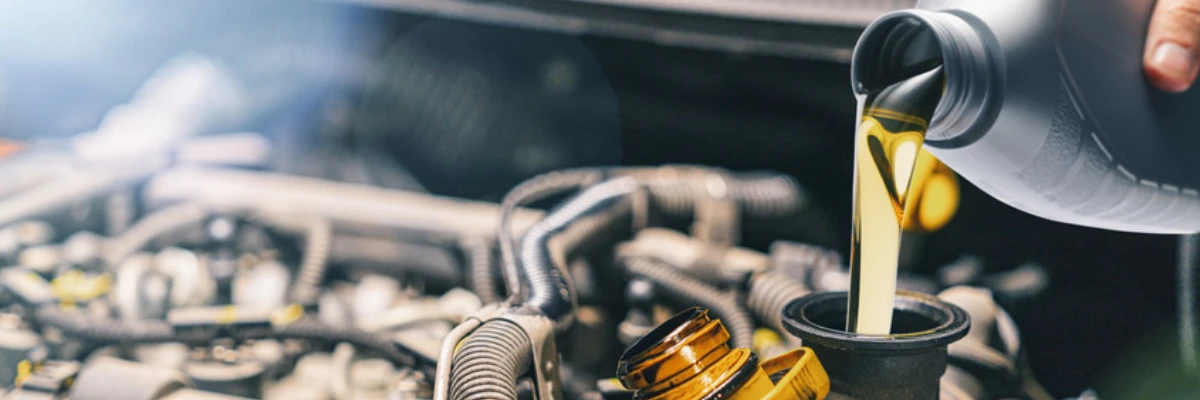
Like with oil change costs and other auto maintenance expenses, MOT test costs can vary a bit. This is usually based on factors like vehicle type, location, and additional services required during the test.
For example, larger vehicles often require more time and effort to inspect, resulting in higher costs. Different mechanics and garage services will naturally offer different pricing structures, too.
Whether you're booking an MOT or shopping for brake pads, it's worth looking around and asking for quotes from several businesses before spending your money.
Want to know more before you book an MOT? Read on for answers to frequently asked questions.
What is an MOT test, and why do you need one?
An MOT test checks whether your vehicle meets UK safety and environmental standards.
It’s a government-mandated check designed to ensure that the cars on our roads are safe for you, your passengers, and others.
Do I really need one?
Yes! Driving without a valid MOT certificate can land you a hefty fine of up to £1,000, and your insurance may become invalid. Plus, you won’t be able to renew your vehicle tax without one.
Which vehicles need an MOT?
Almost all vehicles over three years old. Some exceptions apply, like classic cars over 40 years old (but only if they haven’t been significantly altered).
Money-saving tip: if your car is approaching three years old, make a note of the first MOT due date – it’s three years from the date of first registration. Missing it could mean you’re unable to legally drive your car.
Obviously, regular maintenance outside of MOT testing is still important.
For example, you need to know how to change the oil in your car and check the condition of your tyres regularly so that you're safe on the road.
What happens if my car fails its MOT?
Around 30% of cars fail their MOT on the first attempt. But don’t panic – here’s what to do:
You’ll get a ‘refusal of MOT test certificate’ (VT30): this outlines the reasons for failure
Can I still drive the car? Not usually; the only exceptions are if you’re driving to get repairs or to a pre-booked retest, and the car isn’t deemed dangerous
Retest options: if you get the issues fixed at the same garage within 10 working days, the retest is usually free; otherwise, you may have to pay again, so it’s worth asking about retest policies upfront
The easiest way to pass an MOT is proactively maintaining your vehicle. You can book pre-MOT check-ups, but knowing basic maintenance tasks, like how to check your car battery, is a good idea as well.
How to prepare your car for an MOT test
A little prep work can save you time, stress, and even money. Around 10% of failures are for easy-to-fix issues you can sort yourself.
Here’s a quick DIY checklist:
Lights: check that all headlights, brake lights, indicators, and number plate lights are working. Replace any blown bulbs – most cost just a few pounds
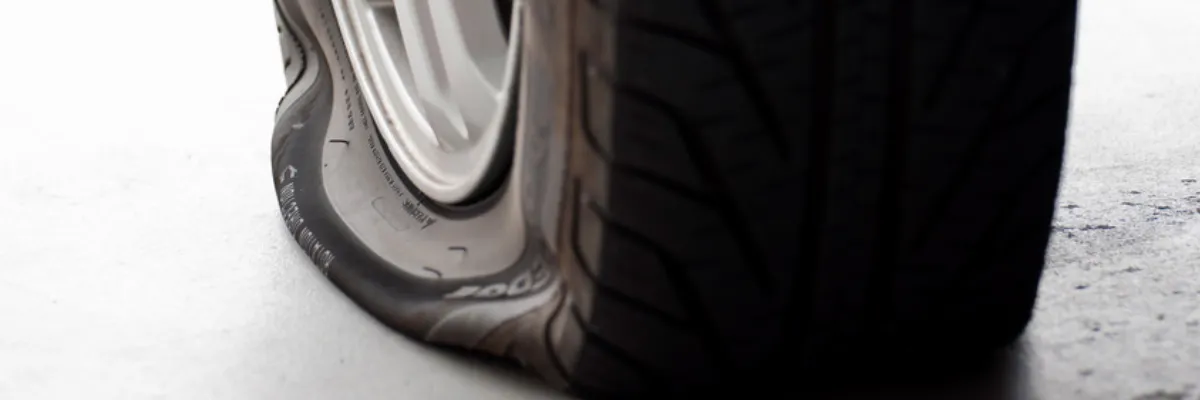
Tyres: make sure the tread depth is at least 1.6 mm (the legal minimum). Use a 20p coin: if the outer band is visible when inserted into the tread, it’s too shallow
Wipers and screen wash: are your windscreen wipers clearing properly? Top up the screen wash too – it’s a quick fix but could result in a fail if overlooked
Mirrors and plates: ensure your mirrors aren’t cracked and your number plates are clean and clearly visible
Example: a bulb replacement might cost £5 to £10, whereas failing the MOT could mean a retest fee or being stuck with an unusable car.
Remember, if you don't know how much oil to put in your car or you're uncomfortable maintaining the vehicle yourself, you can always speak to a mechanic to tune up your vehicle and help it pass an MOT test.
What’s included in an MOT test?
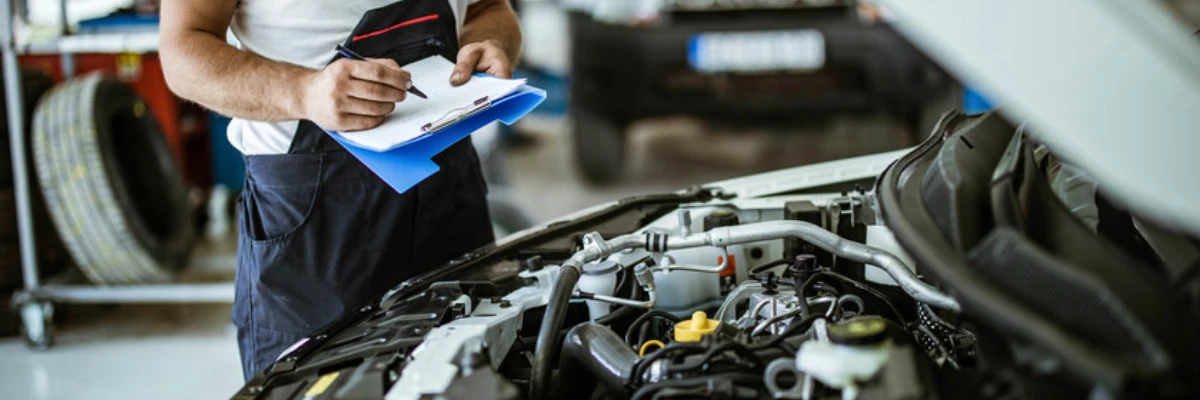
An MOT isn’t a full car service – it’s purely a safety and emissions check. Here’s what the test covers:
Brakes and tyres
Lights, indicators, and horn
Seatbelts and airbags
Suspension and steering
Exhaust and emissions
Bodywork (no sharp edges or excessive rust)
If the test exposes an issue, that could increase your bills significantly.
For example, brake pad replacement costs can go deep into the hundreds, while car suspension repair costs could enter the thousands.
The MOT won’t flag up everything – so don’t skip your regular servicing. For example, engine performance and clutch wear aren’t part of the test.
In the meantime, you can take on some servicing work for your car at home. Read our car service checklist for instructions on what you can do, and how often to do these tasks.
How long does an MOT test take?
The test itself usually takes 45 minutes to 1 hour, but allow extra time for admin and any minor fixes.
If the garage service is busy or repairs are needed, it could take longer. Ask when booking to plan your day.
Can you drive without an MOT?
In short: no. Here’s what you need to know:
Driving without a valid MOT can result in fines up to £1,000
Your insurance may not cover you, leaving you liable for any accidents
There’s a small exception: you can drive for a pre-booked MOT appointment or repair service, but keep proof of the booking in case you’re stopped
Money-saving tip: book your test early – you can renew your MOT up to a month (minus one day) before it expires, and the new certificate will be valid for a full year from the old expiry date.
What’s the difference between an MOT and a service?
An MOT is a legal requirement to check road safety and environmental standards, while a service is a more thorough inspection of your car’s overall health.
Think of an MOT as a quick health check and a service as a full medical exam. If you want your car to stay in good condition, both are essential.
Example: your car might pass its MOT but still have engine issues that only a service would uncover and address.
Can I get my MOT and service done at the same time?
Yes, many garages offer combined packages, often at a discounted rate. It’s a great way to save time and money, as both checks involve inspecting your car.
Just make sure you understand what’s included in the service to avoid surprises.
Pro tip: for further potential savings, you might be able to bundle work in that isn't included in either a car service or MOT test.
If you're worried about paying for auto scratch repair costs, for example, this can be a real money-saver.
Are there any cars that don’t need an MOT?
Some vehicles are exempt from MOTs, such as:
Cars and motorbikes made over 40 years ago, provided they haven’t been significantly modified
Electric goods vehicles registered before 1 March 2015
However, just because your car is exempt doesn’t mean you can skip regular servicing – staying roadworthy is still your responsibility.
What happens if I forget to renew my MOT?
If your MOT expires, your car is considered unroadworthy, and you could face fines or legal issues. Here’s what to do:
Stop driving immediately
Make sure you book an MOT appointment as soon as possible – you can legally drive to a pre-booked test
Consider setting a reminder next year to avoid the same mistake – many garages now offer automated reminders for free
MOTs are unavoidable, but you can still save money if you act smart:
Plan ahead: book early and avoid last-minute rush fees
Do the basics yourself: fix small issues like bulbs and wipers before the test (check out our MOT test checklist for help!)
Look for deals: use price comparison sites or call local garages to find the best rates
Doing some work yourself is a good idea, but only if you're confident. If you're uncomfortable learning how to clean battery corrosion or accessing your car's engine, it's best to leave these components alone.
An MOT test is a vital annual check for vehicle owners in the UK, with costs starting from £29.65 depending on vehicle class and requirements.
While MOT testing can cost more than that, the government caps prices to help protect motorists.
Need an MOT test? Find trusted professionals on Yell.com. Compare reviews, get quotes, and book your MOT test hassle-free.
You can also post a free enquiry and have MOT testers provide you with quotes.
For more auto care help, cost guides, and money-saving tips, start exploring the Yell blog today.
Disclaimer
Cost data was gathered from an analysis of wider industry data. Actual costs may vary depending on location or complexity of the task, project, or service. We encourage customers to reach out to industry professionals for specific quotes based on their unique requirements.